Wheel & Tire Process
Our Process: Built Around You
We believe every build starts with understanding the client. That’s why we take the time to work one-on-one with you—no rushed decisions, no guesswork. Your goals, your budget, and how you actually use your truck drive every recommendation we make.
Consultation
We start with a detailed conversation to understand your vision—stance, wheel style, tire size, and how you use your vehicle (daily driving, towing, off-road, etc.). We’ll walk you through the best options for your setup, including proper wheel widths, offsets, and tire choices. Consultations are available in person, by phone, or via email.
Quote & Fitment Selection
You’ll receive a clear, itemized estimate covering everything: wheels, tires, mounting, balancing, TPMS service, and any necessary hardware (lug nuts, spacers, etc.). Before anything is ordered, we confirm final fitment to ensure everything is dialed in correctly.
Professional Installation
Every setup is mounted, balanced, and installed by experienced technicians using proper torque specs and industry-best practices. We test-fit all components to guarantee proper clearance, alignment, and overall stance.
Alignment & Final Testing (If Needed)
Depending on your setup, we may recommend an alignment to protect your investment and ensure optimal performance. Every vehicle is road-tested to confirm a smooth ride, proper handling, and zero rubbing issues.
Handover & Ongoing Support
We finish with a full walkaround, reviewing your setup, tire care, pressure recommendations, and rotation schedule. And it doesn’t stop there—we’re here for ongoing support, adjustments, and future upgrades.
Top-Tier Equipment
We’ve invested in professional-grade tire machines and alignment equipment to ensure every job is done right the first time. That investment protects your wheels and tires, maximizes performance, and ensures long-term reliability—so you get the most out of your setup.

Tire & Wheel Services
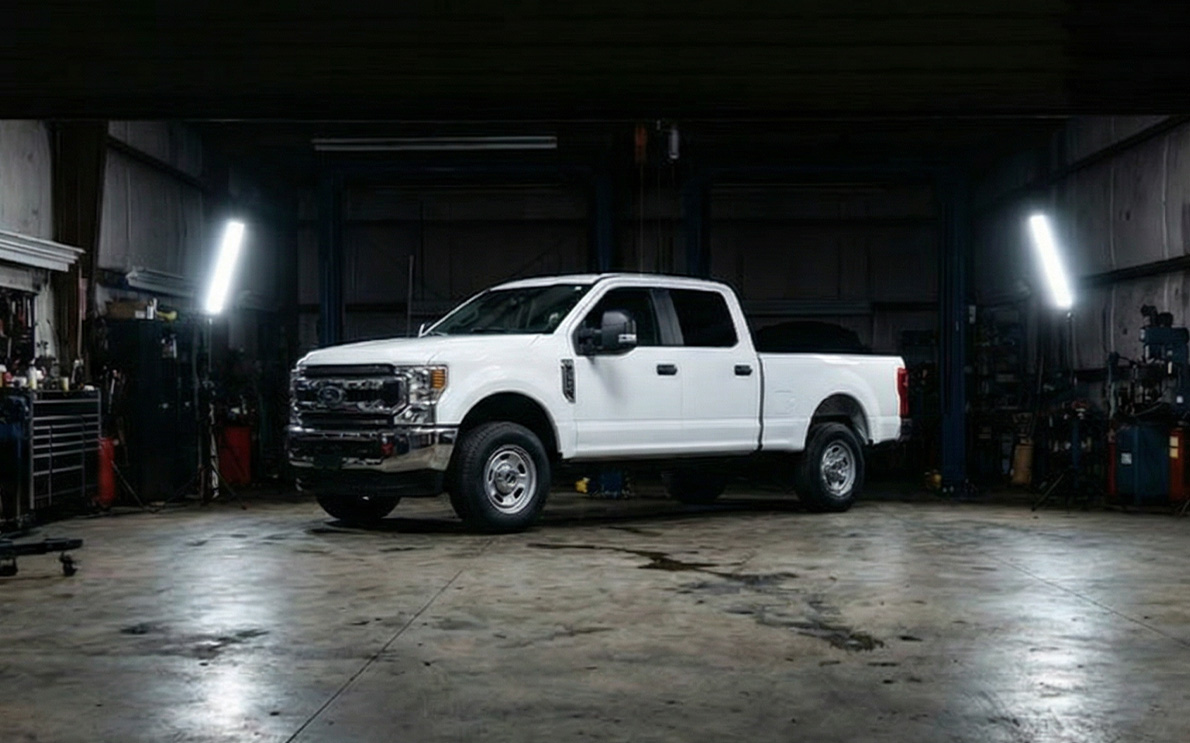
Upgrade the stance, performance, and capability of your truck, SUV, or off-road build with expert wheel and tire services tailored to your setup.
We specialize in complete wheel and tire packages, precision fitment, and custom combinations designed around how you drive. Every install is handled by experienced technicians using proper mounting, balancing, and industry-best practices—so your vehicle not only looks right, but performs the way it should.
What We Offer
Wheel & Tire Packages
Complete, ready-to-install setups including wheels, tires, mounting, balancing, and TPMS service. Every package is carefully spec’d based on your suspension, desired stance, and driving style to ensure a clean, functional result.
Fitment & Stance Consulting
We dial in the perfect wheel width, offset, and tire size to achieve your exact look—without rubbing or clearance issues. Whether you’re going for a clean flush fitment or an aggressive stance, we get it right the first time.
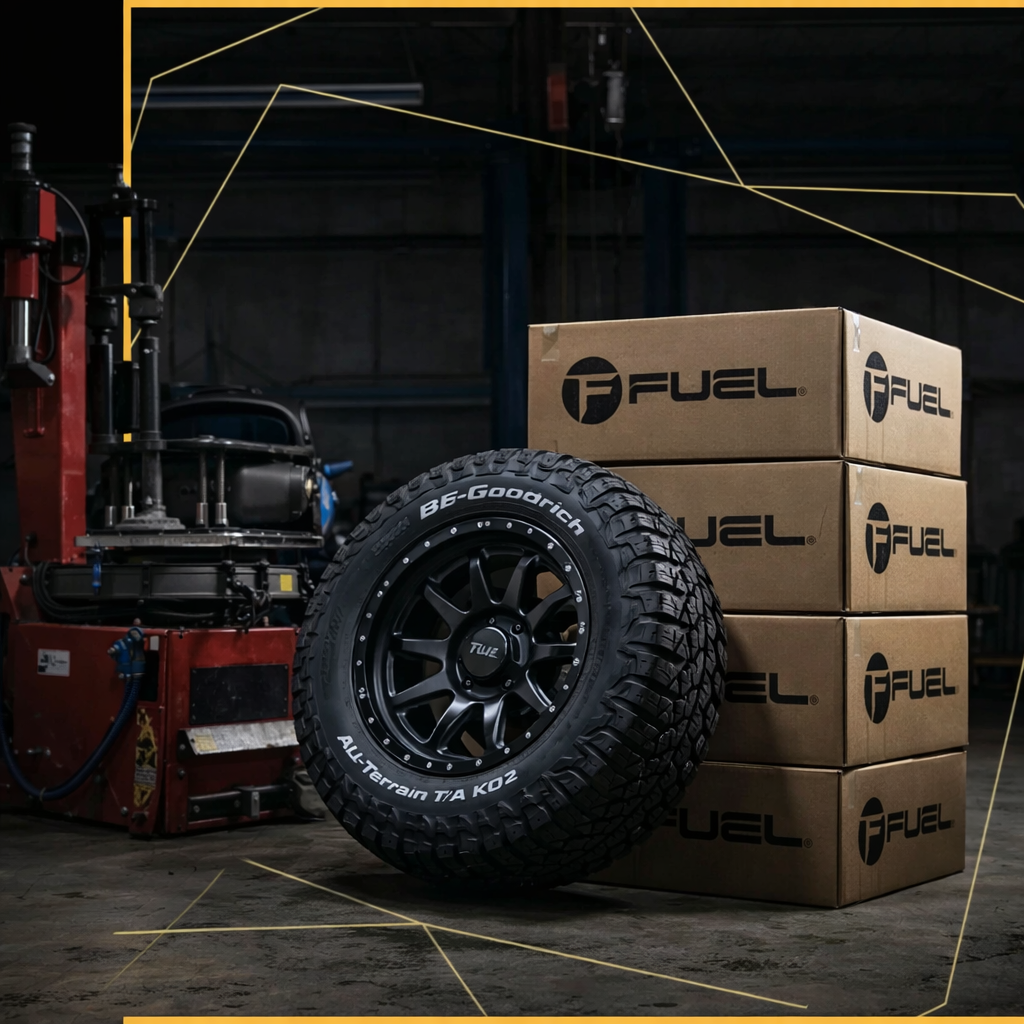
All-Terrain, Rugged Terrain & Mud-Terrain Tires
From smooth, quiet highway driving to aggressive off-road performance, we offer tire options to match your needs. We don’t just sell tires—we match them to how you actually use your truck.
Custom Wheel Builds
Fully tailored setups for leveled, lifted, and off-road vehicles. From specialty offsets to wide, aggressive configurations, we build packages for show trucks, daily drivers, and serious trail rigs.
Additional Services
- Tire Mounting & Balancing
- Road Force Balancing
- TPMS Installation & Programming
- Wheel Upgrades & Replacement
- Offset & Backspacing Consultation
- Tire Rotation, Repair & Maintenance
Who We Serve
Truck and SUV owners wanting improved stance, fitment, or performance upgrades.
Lifted truck owners looking for the right tire and wheel package that fits correctly the first time.
Off-road and overland drivers needing durable wheels and tires for real-world terrain and travel.
Daily drivers who want a cleaner, more aggressive look without sacrificing ride quality.
Fleet and work truck owners needing reliable, long-lasting wheel and tire setups built for heavy use.
Ready to start? Book a consultation or bring your vehicle in for an assessment. We’ll give you a clear plan, timeline, and options to meet your goals.
Wheels & Tires FAQ's
Wheel Fitment Guide
Understanding wheel fitment is key to getting the right look and performance from your setup. We take the time to guide you through it so there’s no guesswork.
Offset vs. Backspacing
Both offset and backspacing determine how your wheels sit on your truck—but they’re measured differently.
Offset (measured in millimeters)
The distance from the wheel’s centerline to the mounting surface.
- Positive offset: Wheel sits further inside the fender
- Negative offset: Wheel sits further outward for a more aggressive stance
Backspacing (measured in inches)
The distance from the mounting surface to the back edge of the wheel.
Bottom line:
Offset primarily affects the look (flush vs. aggressive), while backspacing impacts clearance with suspension and brake components.
What Offset Should I Choose?
The right offset depends on your suspension setup and the look you want:
- Stock or leveled trucks: 0 to +35 offset for a clean, functional fit
- Leveled with larger tires: +20 to -12 for a more aggressive stance
- Lifted trucks: -12 to -44 for a wide, aggressive look
We’ll recommend the exact setup based on your truck and goals.
Will My Tires Rub?
Rubbing depends on tire size, wheel width, offset, and suspension setup.
More aggressive configurations (negative offset, wider wheels, larger tires) may require:
- Minor trimming
- A leveling kit or lift
Our goal is always to spec a setup that fits properly and performs the way it should.
Need Help Choosing the Right Setup?
That’s what we do every day.
We’ll make sure your wheels and tires:
- Fit properly
- Don’t rub (unless you want that aggressive look)
- Match your truck and your lifestyle
Not sure what fits your truck?
Stop by or give us a call—we’ll help you build the perfect setup.
Choosing the Right Tire for Your Truck
The “best” tire comes down to how you use your truck. Most lifted truck owners choose between All-Terrain (A/T) and Mud-Terrain (M/T) tires—each with its own advantages and trade-offs.
All-Terrain vs. Mud-Terrain: What’s the Difference?
All-Terrain (A/T) Tires
- Ideal for daily driving and mixed use
- Smooth, quiet ride on the highway
- Longer tread life (typically 50,000–65,000 miles)
- Performs well in rain, gravel, and light off-road conditions
👉 Best choice for 90% of lifted trucks
Mud-Terrain (M/T) Tires
- Maximum traction in mud, rocks, and off-road environments
- Aggressive tread design with large voids for self-cleaning
- Louder on the road with a firmer ride
- Shorter lifespan (around 30,000–40,000 miles)
👉 Best for off-road builds and aggressive styling
How Do Tires Affect Ride Quality & Noise?
- A/T tires: Quieter and smoother for everyday driving
- M/T tires: Louder due to larger tread blocks and wider spacing
- More aggressive tread = increased road noise and vibration
If your truck is a daily driver, this is an important factor to consider.
Do Larger or More Aggressive Tires Affect Fuel Economy?
Yes—there are trade-offs.
- Larger, heavier tires increase rolling resistance
- Mud-terrain tires can reduce fuel economy by 1–3 MPG (or more)
- Heavier setups place additional strain on your drivetrain
What Makes a Quality Tire?
A great tire isn’t just about looks—it’s about overall performance and durability:
- Tread life: How long the tire lasts
- Traction: Performance on-road and off-road
- Noise level: Especially at highway speeds
- Durability: Sidewall strength and puncture resistance
- Wet weather performance: Critical for daily driving
Premium brands typically deliver a better balance across all of these categories.
What Should You Choose?
- Daily driver / highway use: All-Terrain
- Daily driver with aggressive look: Hybrid A/T (Ridge Grappler–style)
- Off-road / mud / show truck: Mud-Terrain
👉 Not sure what’s right? We’ll recommend the best setup based on your lift, driving habits, and overall goals.
Pro Tip
If your truck spends most of its time on the road, an all-terrain tire will give you the best overall experience. Mud-terrain tires look great—but they come with trade-offs in noise, ride quality, and lifespan.
Need Help Choosing the Right Tire?
We’ve got you covered.
We’ll help you select the perfect tire based on your wheels, lift, and how you actually use your truck—so you get the look and performance you’re after.
Load range ratings tell you how strong a tire is and how much weight it can safely support. This becomes especially important for trucks, lifted setups, towing, and heavier wheel/tire combinations.
Here’s a simple breakdown:
SL (Standard Load)
- Passenger-car tire rating
- Lowest load capacity
- Softer, more comfortable ride
- Not designed for trucks or heavy wheels/tires
👉 Best suited for smaller vehicles and light daily driving only
XL (Extra Load)
- Slightly stronger than Standard Load
- Can handle higher air pressure and a bit more weight
- Still not a true truck-rated tire
👉 Okay for light-duty trucks, but not ideal for lifted builds, towing, or oversized tires
LT (Light Truck)
- Built specifically for trucks and SUVs
- Stronger internal construction and sidewalls
- Designed for towing, hauling, and larger wheel/tire setups
👉 This is the correct starting point for most truck and SUV applications
Load Range E (10-Ply Rating)
- Heavy-duty LT tire construction
- Very common on trucks and lifted builds
- Strong sidewalls for towing, hauling, and off-road use
👉 One of the most popular and balanced choices for trucks like Silverado, Sierra, and F-150
Load Range F (12-Ply Rating)
- Even stronger than Load Range E
- Higher pressure and load capacity
- Typically used on heavier-duty trucks or more aggressive builds
👉 More than most half-ton trucks need in normal use
Load Range G (14-Ply Rating)
- Commercial-grade strength and durability
- Maximum load capacity and stiffness
- Often used on heavy-duty commercial or extreme towing setups
👉 Usually overkill for most personal trucks
What does “ply rating” actually mean?
Modern tires don’t actually contain that many physical layers anymore. The “ply rating” is simply a strength classification system.
For example:
- “10-ply” = Load Range E
- “12-ply” = Load Range F (or sometimes G depending on manufacturer)
What should most lifted truck owners run?
For the majority of lifted half-ton trucks, Load Range E LT tires are the sweet spot. They offer the best balance of strength, ride quality, and durability for daily driving, towing, and larger wheel/tire setups.
The biggest difference between wheel types comes down to how they’re made, which affects strength, weight, performance, and price.
Cast Wheels (Standard Wheels)
- Most common and affordable wheel type
- Made by pouring molten aluminum into a mold
- Heavier than other wheel types
- Strong enough for everyday driving and most truck builds
👉 Best for: Factory wheels, budget-friendly builds and daily drivers
Forged Wheels
- Made from a solid block (billet) of aluminum under extreme pressure
- Much stronger and significantly lighter than cast wheels
- Better impact resistance and performance under stress
- Highest price due to the manufacturing process
👉 Best for: High-performance builds, show trucks, and customers wanting the best of the best
Fusion Forged / Flow Formed Wheels (often called “rotary forged”)
- Start as a cast wheel, then the barrel is stretched and compressed under heat and pressure
- Stronger and lighter than standard cast wheels
- Not fully forged, but much closer in performance than cast
- Middle-ground pricing
👉 Best for: Most lifted trucks—great balance of strength, weight, and value
Quick Breakdown
- Cast = Affordable & reliable
- Fusion Forged = Best balance (most popular for truck builds)
- Forged = Top-tier strength & weight savings
What should you choose for a lifted truck?
For most customers at Georgia Custom Trucks, fusion forged or high-quality cast wheels are the sweet spot. Full forged wheels are usually overkill unless you’re building a show truck or high-performance setup.
👉 Not sure what fits your truck? We can match your wheels, tires, and suspension so everything fits right the first time—no guessing.
Most modern trucks are equipped with a Tire Pressure Monitoring System (TPMS) that uses sensors inside each wheel to constantly monitor air pressure and alert you if a tire is low. These sensors are required for proper system function and dashboard readings, especially on newer trucks and SUVs.
When upgrading to new wheels and tires, we make sure your TPMS system continues to work correctly with no warning lights or issues.
How We Handle TPMS During Wheel Upgrades
1. Sensor Removal from Factory Wheels
We carefully dismount your original OEM wheels and professionally remove the factory TPMS sensors. These sensors are delicate and are handled with care to ensure they are not damaged during the tire dismount process.
2. Transfer to New Wheels
Your existing OEM sensors are then installed into your new wheels whenever compatible. This is often the best option because it allows you to retain factory sensors without needing to purchase new ones.
If your existing sensors are worn, damaged, or incompatible, we can replace them with new, high-quality OEM-style sensors.
3. Mounting & Balancing New Tire Setup
Once sensors are installed in the new wheels, we mount and balance your new tires to ensure a smooth ride and proper performance.
4. Programming & System Relearn
After installation, we program and sync the TPMS sensors to your vehicle. This process ensures each sensor is properly recognized in the correct wheel position (front left, front right, rear left, rear right).
Depending on the vehicle, this may include:
- Direct sensor relearn using scan tools
- Vehicle dashboard relearn procedure
- ECU synchronization to clear any TPMS warning lights
Why TPMS Service Matters
Proper TPMS setup ensures:
- No warning lights on your dash
- Accurate tire pressure readings
- Improved safety and tire life
- Better fuel efficiency
- Peace of mind after wheel and tire upgrades
Bottom Line
Every wheel and tire package we install is fully completed with TPMS transfer, programming, and system verification, so your truck leaves the shop ready to drive with zero warning lights and fully functional sensors.
Get A Professional Install Quote

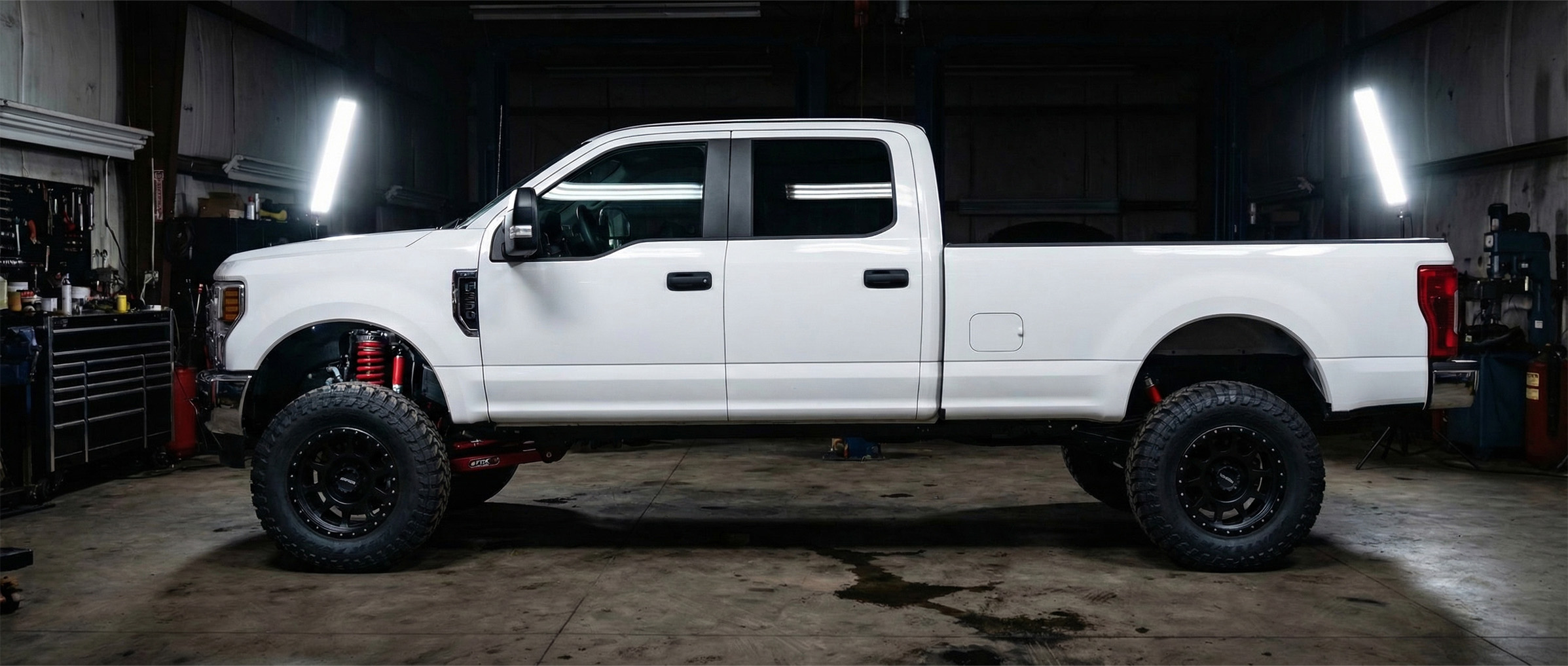
What Happens After You Request an Install Quote?
We keep the process straightforward and transparent so you know exactly what to expect. From the moment you submit your quote request to the day you drop off your truck or Jeep, our team walks you through every stage of the build, parts planning, scheduling, and installation.
- 1
Submit Your Quote Request
⏱ 5 Minutes
Start by filling out the Quote Request form with your vehicle details, the services you need, and any parts you already have in mind. The more detail you include, the faster and more accurately we can build your estimate.
- Provide your year, make, model, trim level, and any current modifications.
- Tell us what you want installed, upgraded, repaired, or inspected.
- Upload photos if your vehicle has special fitment needs or existing aftermarket parts.
- Let us know whether you already have parts or want us to source everything for you.
- 2
Hassle-free Quote is emailed by Our Team
⏱ Within 1 Business Day
We create a detailed quote based on the labor involved, the parts required, and any supporting recommendations for proper fitment, safety, alignment, or supporting upgrades.
- Labor is mapped out based on the exact work requested.
- Parts are selected based on your vehicle, goals, and budget.
- We identify additional items that may be recommended for a complete install.
- Estimated timing and next-step scheduling are included whenever possible.
- 3
Quote Revisions and/or Approval
⏱ Timing Depends on Customer Approval
After you receive the quote, you can review the parts, labor, and timeline with our team. Once approved, we move forward with scheduling and parts procurement.
- We answer questions about product options, performance, and installation needs.
- Adjustments can be made if you want to change brands, scope, or budget.
- Approved quotes move into the scheduling and ordering phase.
- 4
Parts Ordering & Availability
⏱ Usually 1–7 Business Days
If parts need to be transferred from our distribution warehouse, we source them after quote approval. Timing can vary depending on manufacturer, stock, shipping speed, and whether the build includes specialty or made-to-order items.
- All timelines will be discussed with you, the client, before any final decisions are made.
- In-stock items move quickly into the install queue.
- Special-order, custom, or backordered parts may extend the timeline.
- We coordinate arrival timing so your install can be scheduled efficiently.
- 5
Schedule Your Drop-Off
⏱ Generally, Within 1–5 Business Days Depending on your Schedule
We will provide a drop-off window, estimated completion timing, and any pre-install instructions you need.
- We coordinate a shop date based on bay availability and project size.
- You will receive instructions for drop-off, keys, accessories, and any needed prep.
- For larger builds, we may reserve additional time for testing, adjustments, or alignment.
- 6
Vehicle Drop-Off & Final Check-In
⏱ 15–30 Minutes
When you bring your truck or SUV in, we perform a final walk-through of the work order and confirm the parts, labor, and any notes related to the installation.
- We verify the approved work before the vehicle enters the shop.
- Any last-minute notes or concerns can be addressed during check-in.
- For certain jobs, we may document pre-install condition and ride height measurements.
- 7
Installation & Shop Work
⏱ Most Jobs: Same Day to 2+ Days
Our technicians complete the install, test fitment, inspect hardware, and verify the work based on your approved build plan. Larger or more complex installs may require additional time.
- Common installs may include suspension, wheels and tires, armor, lighting, steering, gearing, and accessories.
- Complex jobs may involve trimming, fabrication, alignment coordination, or multi-stage installation.
- We monitor for issues such as clearance, drivability, and proper component fit.
- 8
Final Inspection & Pickup
⏱ Pickup Scheduled After Completion
Before release, we complete a final inspection and go over the work performed. When you pick up your vehicle, our team can walk you through the install and any recommended next steps.
- Final checks help confirm install quality and completeness.
- We review the completed work and answer your post-install questions.
- If needed, we may recommend follow-up services such as alignment, torque checks, or future upgrades.
Other Services We Offer

Custom Builds
Wheels & Tires
Lift Kits & Suspension
Fleet Services
Lighting & Accessories